←Services
01 — Services

Web Design

Website design that helps to reach your goals.

Deliverables
  • Web design
  • Website development
  • Visual creatives
  • ​Creative design

We design websites that help our clients reach their goals.

Each project begins with goal assessment and identification. Then we work on tools that will help you reach your goals.

Our design work is never decorative for the sake of it. Every design or functional decision, every type pair, every micro-interaction is in service of the brand's goal.

Web design anchored to a goal, not to taste

Web design is not decoration. It decides how many visitors become clients, how long someone stays, and whether they even understand what you offer. LAPA Studio designs websites for Rīga-based and European brands so that every decision — from the first screen to the colour of the contact button — serves a specific business goal.

In practice that means we ask uncomfortable questions before we design anything. Who is your client and what does their decision path look like? Why do they pick a competitor? Where exactly do they drop off on the current site? Without those answers, design is a matter of taste, and taste does not sell.

We work on a small number of projects at a time. Your project is not a ticket in a queue — the same people who start it take it from strategy through launch and beyond.

What professional website design actually includes

Web design is more than the visual layer. It is information architecture — how content is organised and how easy it is to navigate; content hierarchy — what matters most on each screen; a typography system that stays readable on every device; and a visual identity that makes the brand recognisable.

On top of that sits conversion design: where the calls to action live, how many steps stand between interest and enquiry, how objections are removed, and how proof is shown — testimonials, client logos, concrete outcomes.

And finally the technical layer. A design that looks great in Figma but loads in four seconds is a bad design. We design with technical constraints in mind: image weight, font loading, the cost of animation, and mobile as the primary case rather than an afterthought.

Custom design — never templates

We do not use Wix, Squarespace or off-the-shelf WordPress themes. Every LAPA Studio website is drawn from scratch — type scale, palette, rhythm of white space, micro-interactions and the mobile version are tailored to your brand and your industry.

A template always carries weight you do not need: dozens of plugins, generic layouts and code written for thousands of other sites. The result loads slower, looks like a hundred competitors, and is harder to adapt when the business changes.

Custom design costs more in the first step and less in the third year. You do not rebuild the site every time you add a service or a language — the system is designed to grow.

Speed, SEO and accessibility built in

Every site is built on a modern stack — React, TanStack Start, Astro or static HTML depending on need — with Core Web Vitals above Google's Good threshold. In practice our sites land a Lighthouse performance score of 90–100 on mobile.

Semantic HTML, schema.org markup, hreflang for bilingual sites, a sitemap, correct canonical tags and WCAG AA accessibility are standard, not upsells. SEO is not a service bolted on at the end — it is a consequence of design and code structure.

Accessibility is not bureaucracy. Sufficient colour contrast, keyboard navigation and clear focus states make a site more usable for everyone, including someone reading a phone in bright sunlight.

How to tell your current site needs a new design

A few signs repeat in almost every project that reaches us. The site takes more than three seconds to load on mobile data. On a phone you have to pinch to read the text. You cannot change a sentence or an image without emailing a developer.

Or: the site looks decent but nobody enquires. That is usually not about beauty but structure — no clear message on the first screen, no proof, and a contact form hidden in the footer.

The fourth sign is brand mismatch. You have grown, your pricing is different, your client is different — but the site still speaks the way you spoke five years ago. In that case a redesign is cheaper than the trust you are losing.

How we measure whether the design works

After launch we set up analytics to answer one question: is the site doing its job. We track enquiry volume, completion of the conversion path, bounce on key pages, search visibility in Google, and Core Web Vitals from real user data.

In the first month after launch this data usually reveals two or three places where wording or ordering needs a tweak. Those fixes are included — we do not call them a new project.

Longer term, the same measurement tells us when it is worth adding a new page, a blog or another language. Decisions come from data rather than from a feeling.

The website design process

Four phases, a fixed timeline and a fixed price. At the end of each phase you see a concrete deliverable and approve it before the next one starts.

  1. 011 week

    Strategy and discovery

    Interviews with you and, where possible, two of your clients. Competitor analysis, keyword research in Latvian and English, and an audit of the current site's analytics. Deliverable: a short document covering goal, audience, message and site structure.

  2. 021–2 weeks

    Structure and content

    Wireframes for every key page type, content hierarchy and a first draft of the copy. In this phase we agree what sits on each screen and in what order — before a single pixel is styled.

  3. 032–3 weeks

    Visual design

    Typography system, palette, image direction, component library and the full design for desktop and mobile. You get an interactive prototype rather than static images.

  4. 042–4 weeks

    Build and launch

    Development, CMS setup, technical SEO groundwork, analytics, speed optimisation, testing on real devices and launch. The first month after launch includes free hypercare.

Before and after — concrete examples

Three projects from our portfolio where the redesign changed the outcome, not just the look.

Timberlink — timber wholesale

Before

A static site with a downloadable PDF catalogue. Product information out of date, specification tables unreadable on mobile, and an enquiry form with no context about the product in question.

After

A structured product catalogue with filters, specifications on the page itself, an enquiry form that knows which product the client is writing about, and an English version for export markets.

Result

A clearer path from product to enquiry, and far fewer questions whose answer is already on the page.

See the Timberlink project→
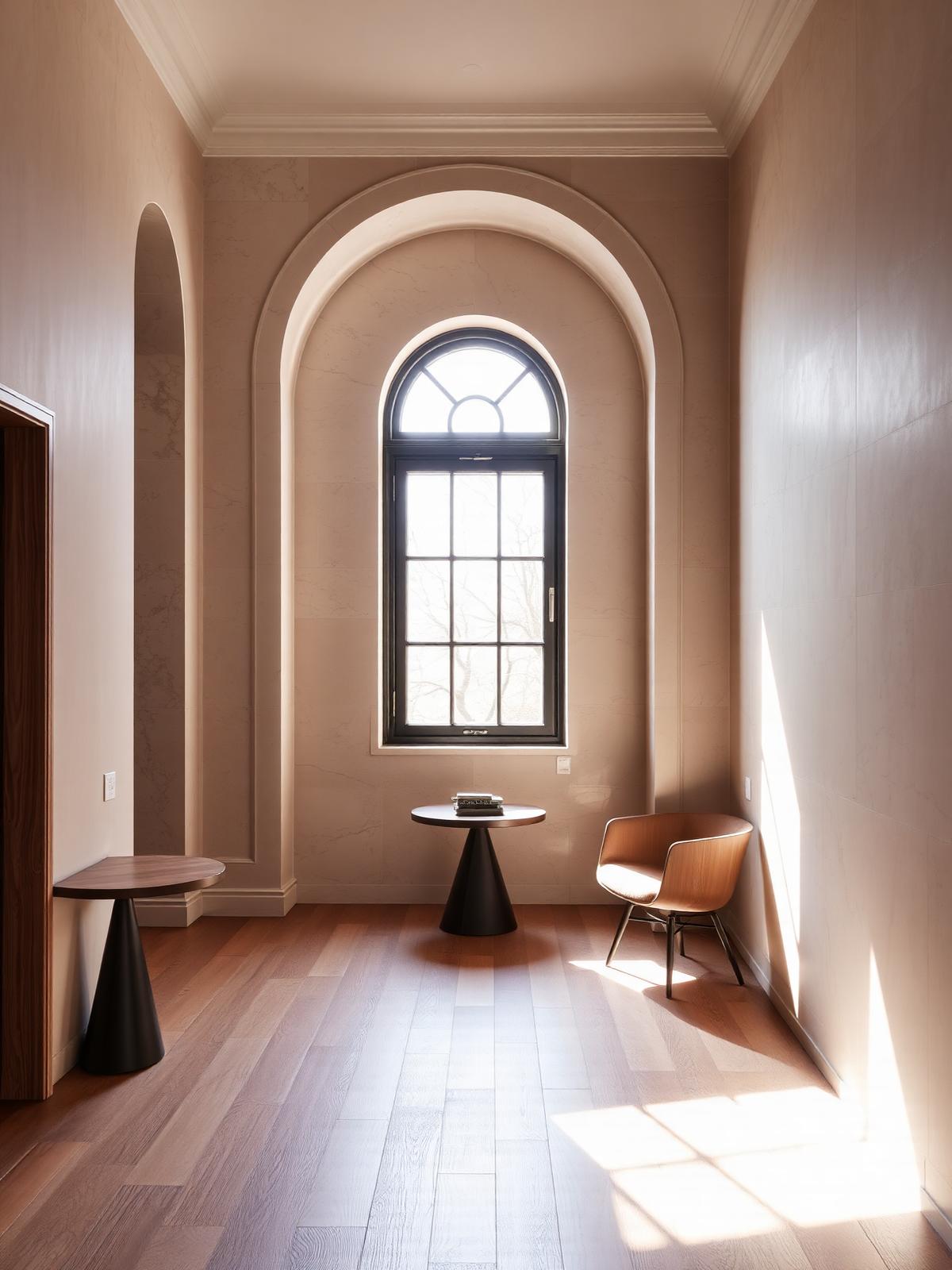

Koka galdi — furniture maker

Before

A gallery without a story: images at mixed sizes and quality, no dimensions, materials or price guidance. Visitors could not tell whether a table could be made to measure.

After

Product pages with material, size and finish options, editorial photography in one consistent style, and a clear enquiry path with an indicative price range.

Result

Enquiries became specific — clients write with a size and a material instead of asking what you actually do.

See the Koka galdi project→

Padelstar — sports club

Before

Court and booking information scattered across social media and email. Pricing was not public, and booking on a phone was effectively unusable.

After

One page with courts, pricing, time slots and a booking path designed mobile-first, because that is where almost every booking happens.

Result

Fewer admin conversations and a clear self-service path for clients at any hour.

See the Padelstar project→

Where to go next

Website design pricing→

Price bands per tier, timelines and what each package includes.

Website development→

The technical side — stack, CMS, integrations and post-launch care.

eCommerce websites→

When the design has to sell directly — product pages, payments and shipping.

Visual identity→

Logo, typography and the brand system the web design is built on.

SEO→

So the new design also gets found in Google search results.

Riga Original — mobile app→

A full-cycle project: design, front end, back end and CMS.

About the studio→

Who we are, how we work and the technology we use.

Blog→

Articles on web design, SEO and website development.

Pricing

Website design pricing

Price ranges with fixed limits, timelines and an exact list of what each one includes.

Have a project in mind?

Let's reach your goals together.